2026
Vibrant Legends
Your heroes deserve a face that players remember. One look, and they know exactly who they're rooting for.
Artstyle
Character
Vibrant Legends
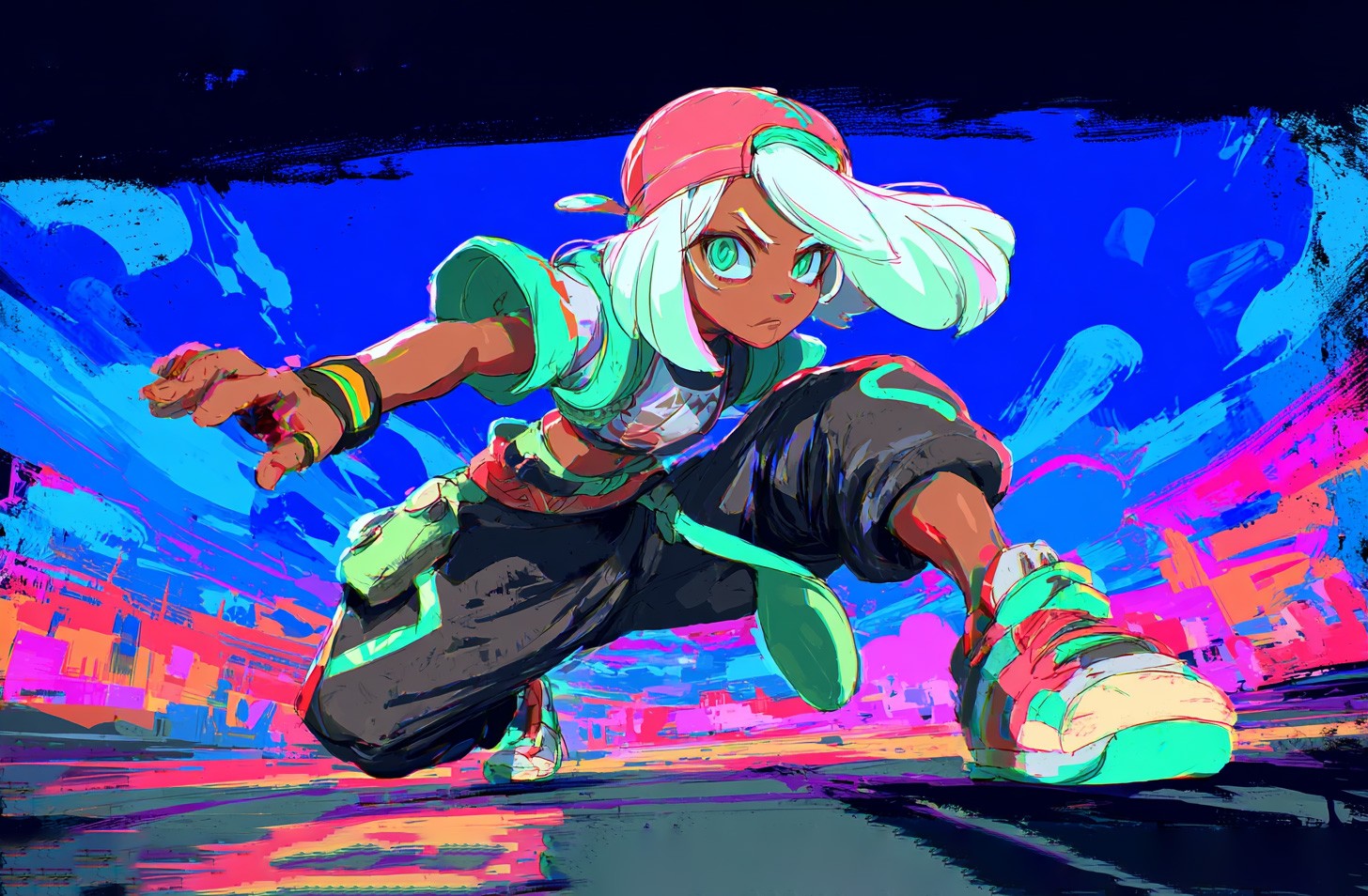
Defined by electric color, expressive faces, and a character presence that leaps off the card and into your players' imagination.
The Character as the Campaign
When your game lives or dies by whether players connect with its cast — when the rogue, the mage, and the warlord need to feel like people, not pawns — this is your style. It's built for:
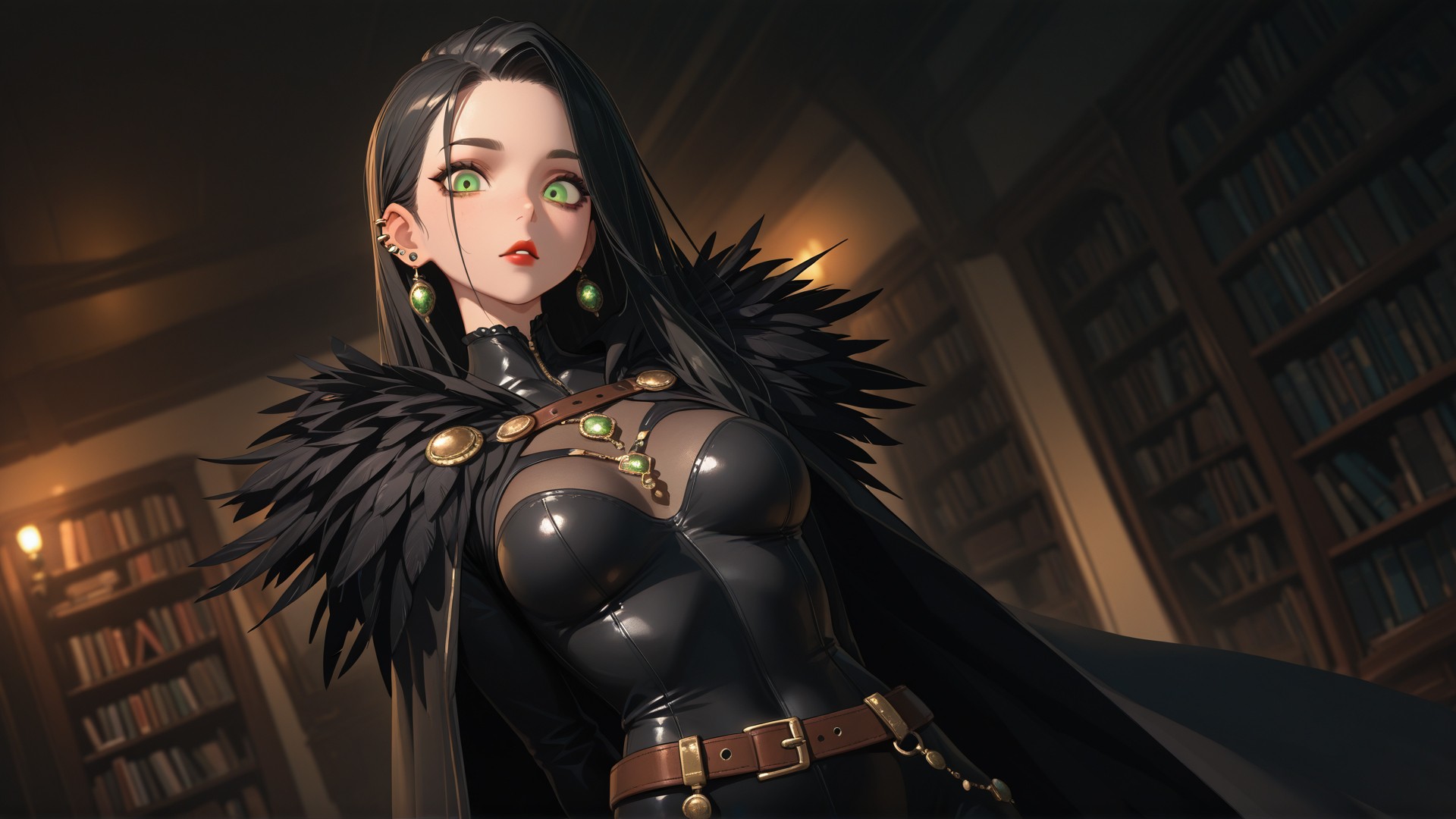
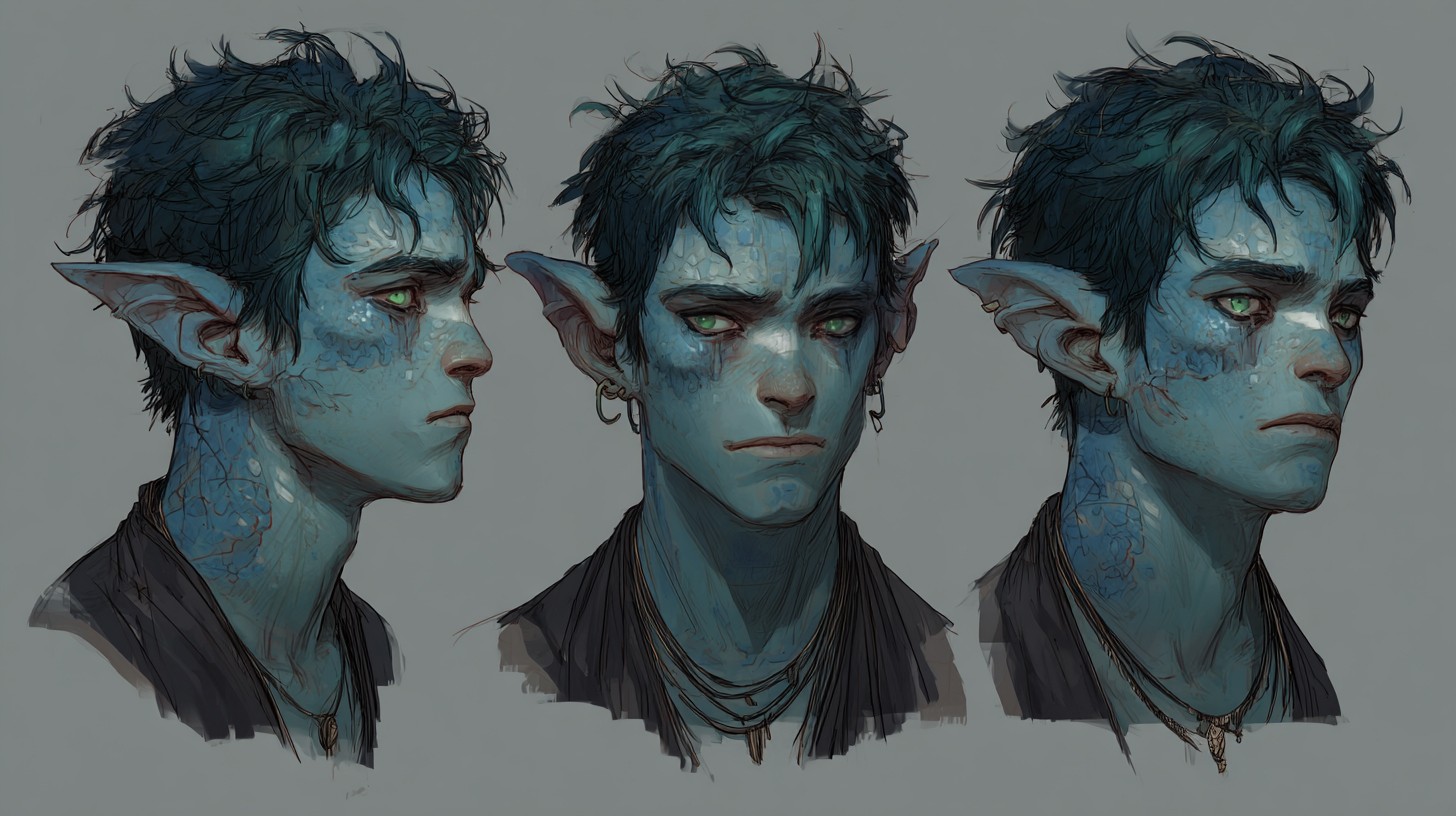
Hero & Villain Portraits: Full-bust character illustrations with the personality depth of a flagship TCG release.
Character Sheets & Turnrounds: Multi-angle reference renders that stay consistent across an entire roster.
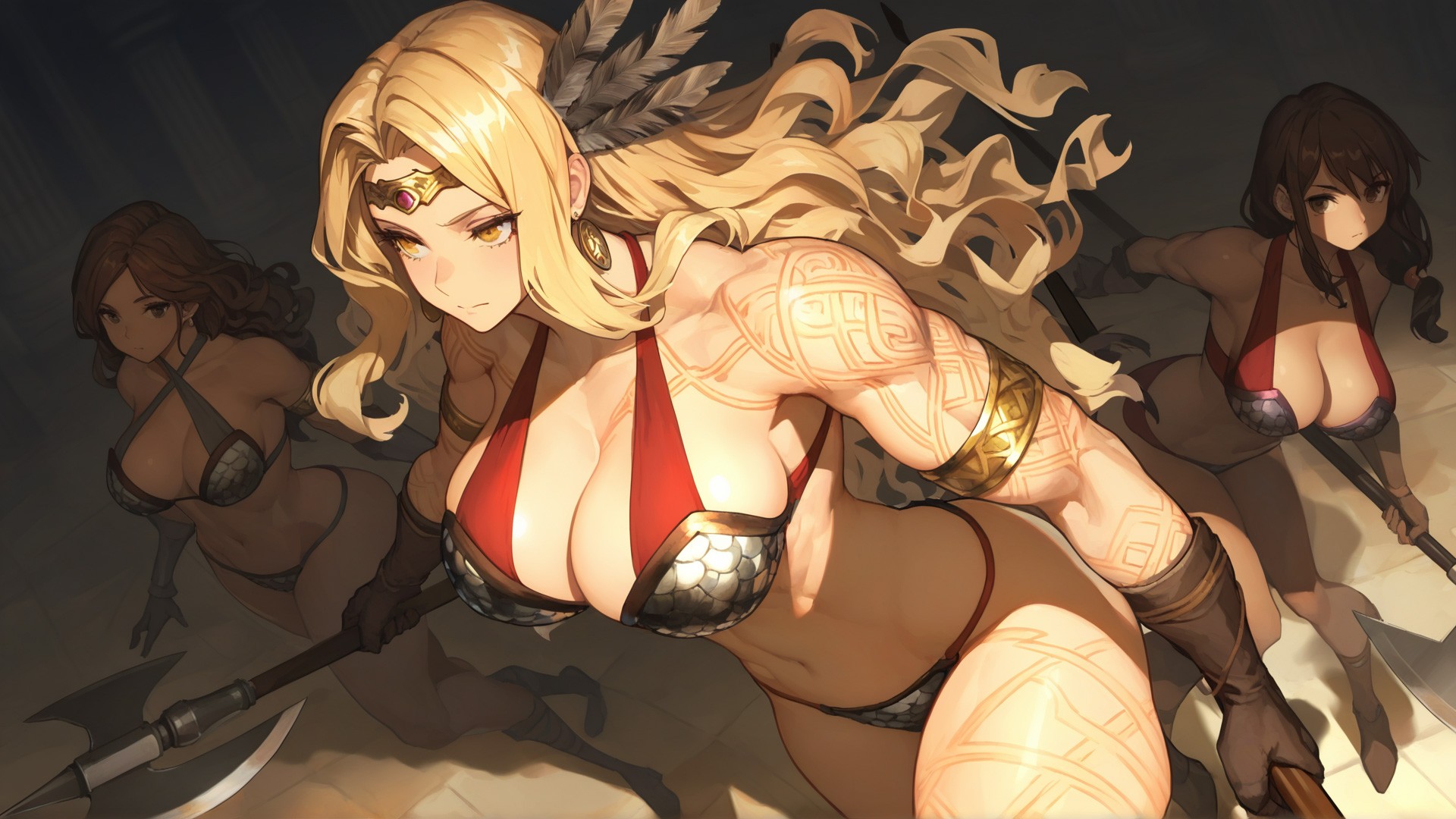
Faction Identity Art: Signature character designs that make every faction visually unmistakable at a glance.
Color as Character Voice
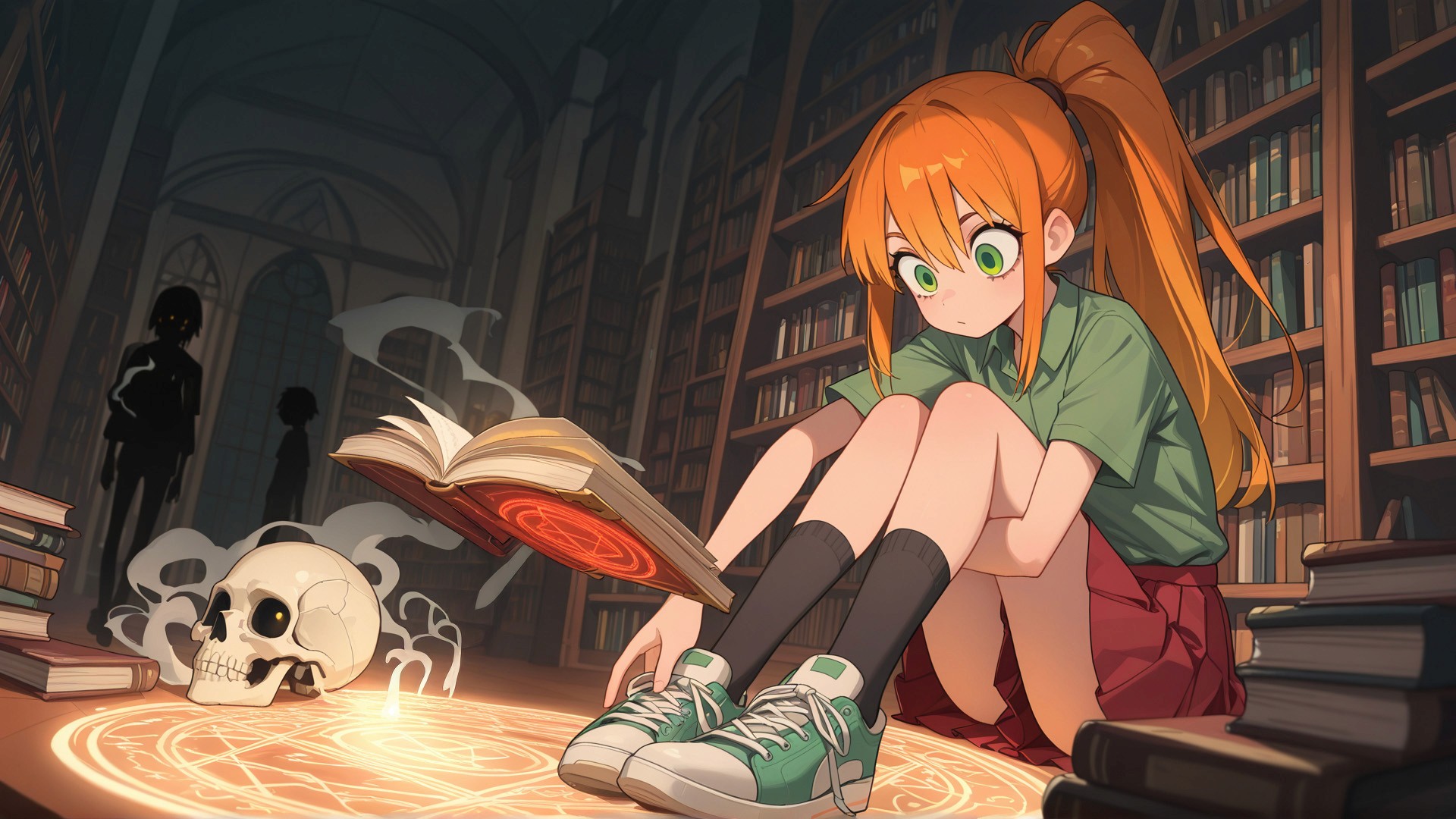
We've tuned the "Vibrant Legends" filter to prioritize emotional expressiveness and saturated color identity over photorealism. A character's palette tells their story before their name does.
By drawing on the anime-influenced cel-shading and jewel-toned color logic of premium TCG art — think less stock illustration, more Legends of Runeterra — we ensure each character reads as a fully realized individual, not a generic fantasy archetype.
The Portrait Paradox
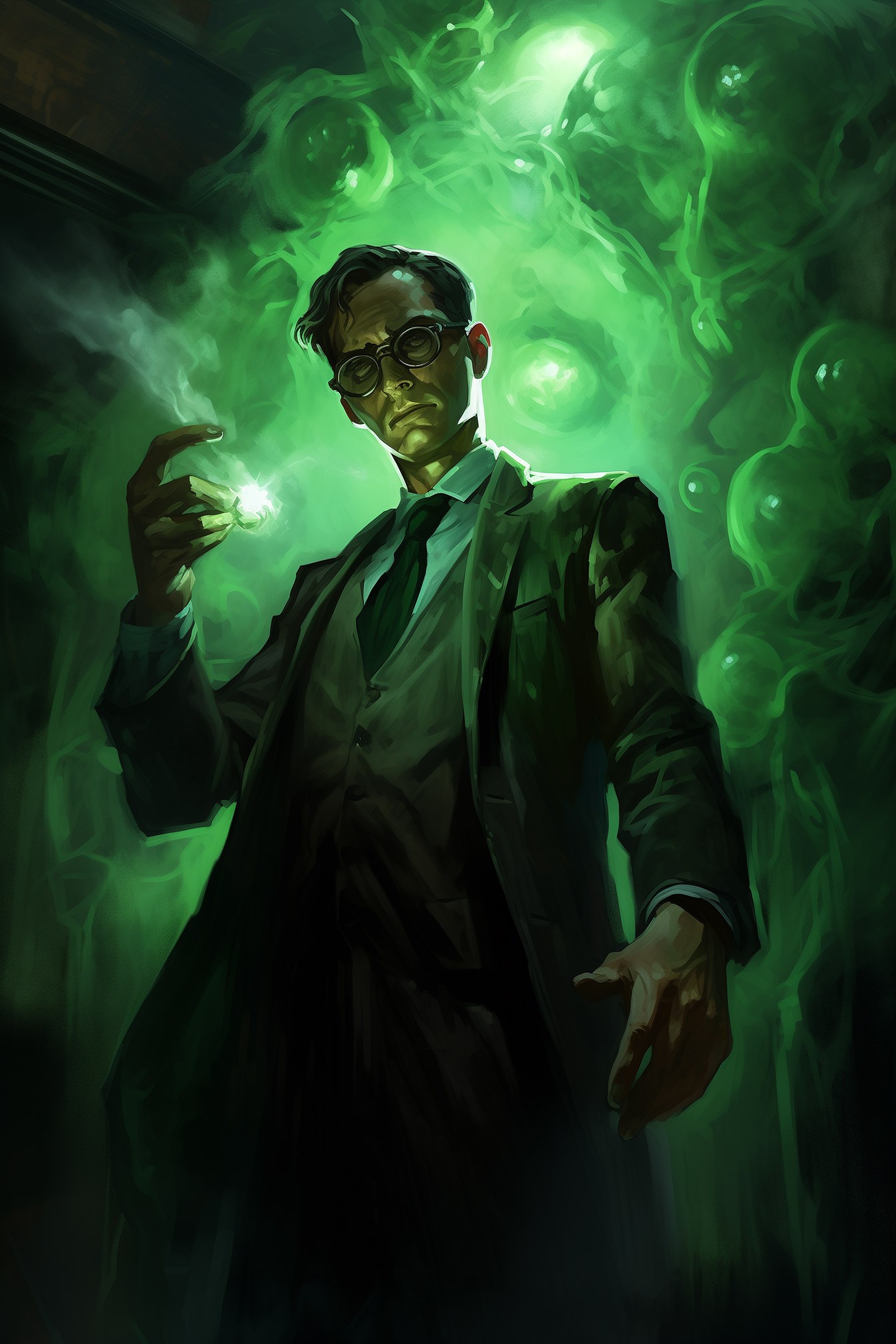
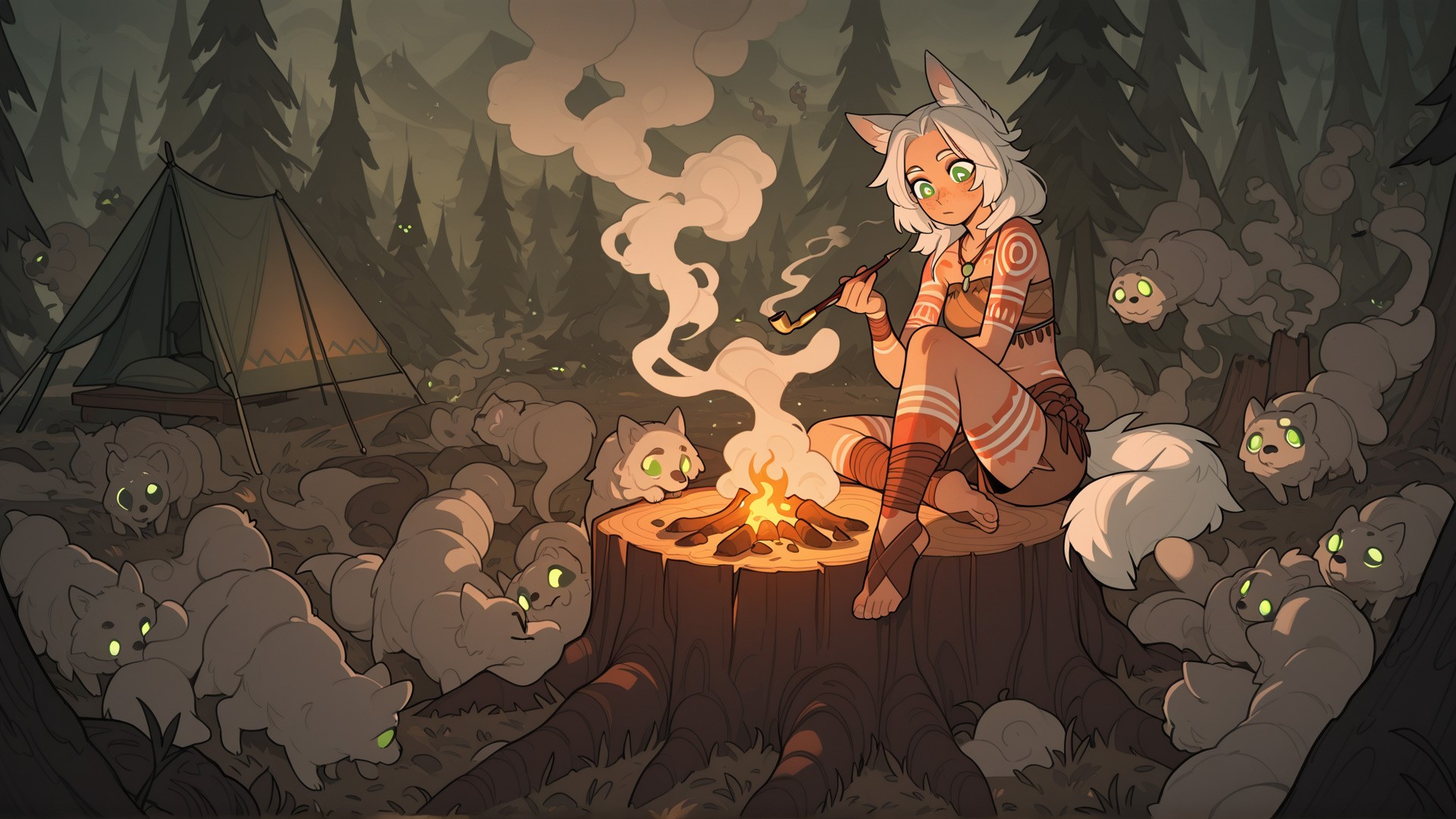
The more specific a character looks, the more universal they feel. This style thrives on the details that make a hero unmistakably themselves — a scar, a smirk, the exact shade of distrust in their eyes.
By leaning into micro-expressions, intricate costume detailing, and character-driven lighting setups, this filter creates portraits that players form opinions about instantly. They don't just see a rogue. They see their rogue — the one with a story they want to uncover.
The 'Roster Test
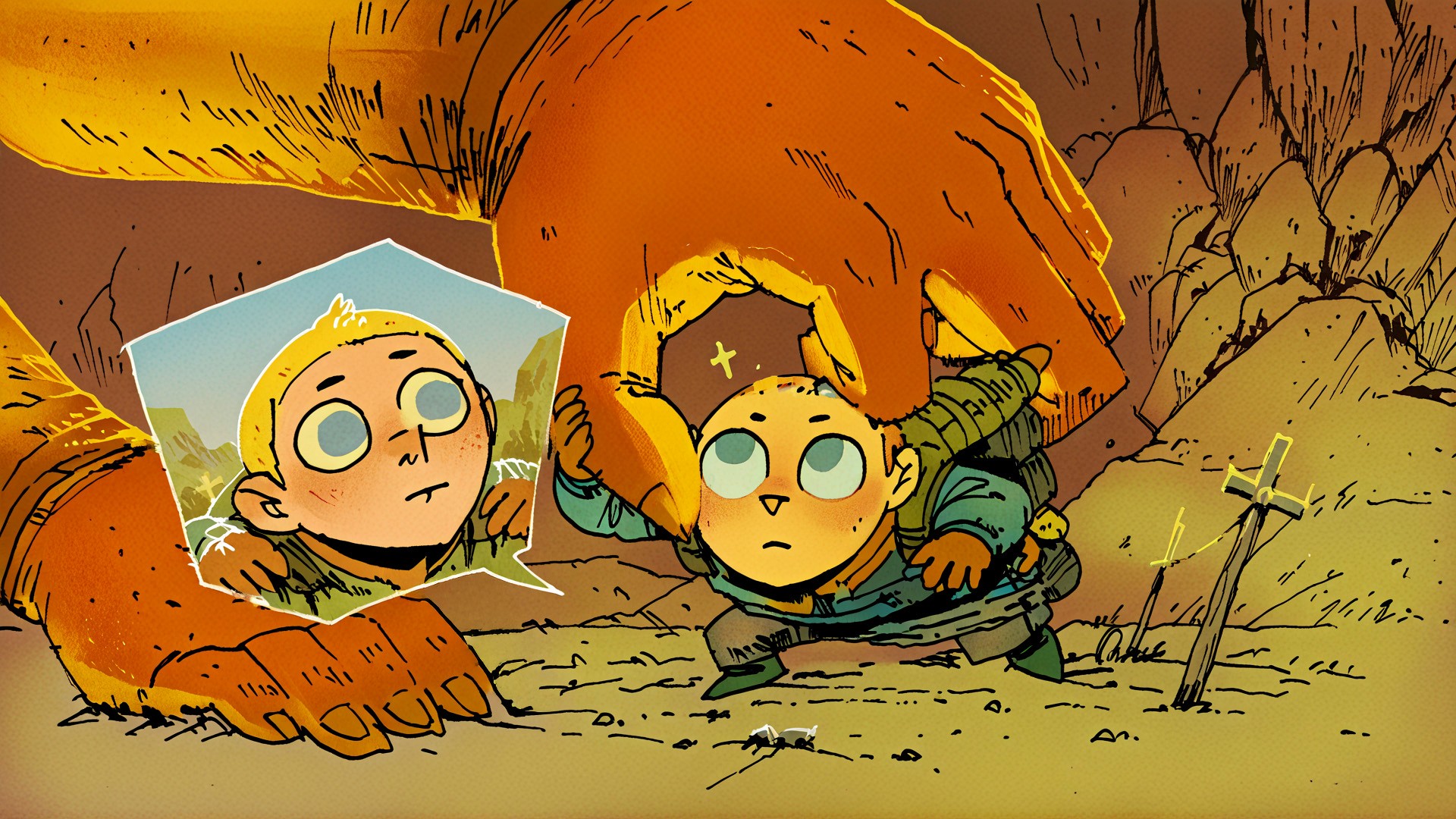
In a market where most indie TCG characters blur together after two cards, "Vibrant Legends" is the style that makes every single unit in your roster feel like the main character.
It's built on strong silhouette discipline, expressive line confidence, and a color hierarchy that ensures no two characters in a set compete for the same visual frequency. Each portrait can stand alone as a card, sit in a lineup without getting lost, and scale from a 63×88mm card face to a 3-meter Kickstarter banner without losing an ounce of its personality. Your backers won't just pledge for the game. They'll have a favorite character before they've read a single rule.
Visual Solutions that scalerks
Selected Styles
UNSPIELBAR Studio
FAQ
01
Why should I pay you instead of just using Midjourney or DALL-E?
02
Is the artwork actually print-ready? (DPI/CMYK)
03
Who owns the rights to the AI-generated illustrations?
04
Can you guarantee style consistency across a 200-card TCG set?
05
How do you handle "AI Hallucinations" like weird hands or artifacts?
06
What is the turnaround time compared to a traditional illustrator?
07
Can I request a specific artist's style?
08
Do I need to know how to prompt?
2026
Vibrant Legends
Your heroes deserve a face that players remember. One look, and they know exactly who they're rooting for.
Artstyle
Character
Vibrant Legends
Defined by electric color, expressive faces, and a character presence that leaps off the card and into your players' imagination.
The Character as the Campaign
When your game lives or dies by whether players connect with its cast — when the rogue, the mage, and the warlord need to feel like people, not pawns — this is your style. It's built for:
Hero & Villain Portraits: Full-bust character illustrations with the personality depth of a flagship TCG release.
Character Sheets & Turnrounds: Multi-angle reference renders that stay consistent across an entire roster.
Faction Identity Art: Signature character designs that make every faction visually unmistakable at a glance.
Color as Character Voice
We've tuned the "Vibrant Legends" filter to prioritize emotional expressiveness and saturated color identity over photorealism. A character's palette tells their story before their name does.
By drawing on the anime-influenced cel-shading and jewel-toned color logic of premium TCG art — think less stock illustration, more Legends of Runeterra — we ensure each character reads as a fully realized individual, not a generic fantasy archetype.
The Portrait Paradox
The more specific a character looks, the more universal they feel. This style thrives on the details that make a hero unmistakably themselves — a scar, a smirk, the exact shade of distrust in their eyes.
By leaning into micro-expressions, intricate costume detailing, and character-driven lighting setups, this filter creates portraits that players form opinions about instantly. They don't just see a rogue. They see their rogue — the one with a story they want to uncover.
The 'Roster Test
In a market where most indie TCG characters blur together after two cards, "Vibrant Legends" is the style that makes every single unit in your roster feel like the main character.
It's built on strong silhouette discipline, expressive line confidence, and a color hierarchy that ensures no two characters in a set compete for the same visual frequency. Each portrait can stand alone as a card, sit in a lineup without getting lost, and scale from a 63×88mm card face to a 3-meter Kickstarter banner without losing an ounce of its personality. Your backers won't just pledge for the game. They'll have a favorite character before they've read a single rule.
Visual Solutions that scalerks
Selected Styles
UNSPIELBAR Studio
FAQ
01
Why should I pay you instead of just using Midjourney or DALL-E?
02
Is the artwork actually print-ready? (DPI/CMYK)
03
Who owns the rights to the AI-generated illustrations?
04
Can you guarantee style consistency across a 200-card TCG set?
05
How do you handle "AI Hallucinations" like weird hands or artifacts?
06
What is the turnaround time compared to a traditional illustrator?
07
Can I request a specific artist's style?
08
Do I need to know how to prompt?
2026
Vibrant Legends
Your heroes deserve a face that players remember. One look, and they know exactly who they're rooting for.
Artstyle
Character
Vibrant Legends
Defined by electric color, expressive faces, and a character presence that leaps off the card and into your players' imagination.
The Character as the Campaign
When your game lives or dies by whether players connect with its cast — when the rogue, the mage, and the warlord need to feel like people, not pawns — this is your style. It's built for:
Hero & Villain Portraits: Full-bust character illustrations with the personality depth of a flagship TCG release.
Character Sheets & Turnrounds: Multi-angle reference renders that stay consistent across an entire roster.
Faction Identity Art: Signature character designs that make every faction visually unmistakable at a glance.
Color as Character Voice
We've tuned the "Vibrant Legends" filter to prioritize emotional expressiveness and saturated color identity over photorealism. A character's palette tells their story before their name does.
By drawing on the anime-influenced cel-shading and jewel-toned color logic of premium TCG art — think less stock illustration, more Legends of Runeterra — we ensure each character reads as a fully realized individual, not a generic fantasy archetype.
The Portrait Paradox
The more specific a character looks, the more universal they feel. This style thrives on the details that make a hero unmistakably themselves — a scar, a smirk, the exact shade of distrust in their eyes.
By leaning into micro-expressions, intricate costume detailing, and character-driven lighting setups, this filter creates portraits that players form opinions about instantly. They don't just see a rogue. They see their rogue — the one with a story they want to uncover.
The 'Roster Test
In a market where most indie TCG characters blur together after two cards, "Vibrant Legends" is the style that makes every single unit in your roster feel like the main character.
It's built on strong silhouette discipline, expressive line confidence, and a color hierarchy that ensures no two characters in a set compete for the same visual frequency. Each portrait can stand alone as a card, sit in a lineup without getting lost, and scale from a 63×88mm card face to a 3-meter Kickstarter banner without losing an ounce of its personality. Your backers won't just pledge for the game. They'll have a favorite character before they've read a single rule.
Visual Solutions that scalerks
UNSPIELBAR Studio
FAQ
Why should I pay you instead of just using Midjourney or DALL-E?
Is the artwork actually print-ready? (DPI/CMYK)
Who owns the rights to the AI-generated illustrations?
Can you guarantee style consistency across a 200-card TCG set?
How do you handle "AI Hallucinations" like weird hands or artifacts?
What is the turnaround time compared to a traditional illustrator?
Can I request a specific artist's style?
Do I need to know how to prompt?